RAW Capture
RAW10/12, Bayer pattern, black level, dark current, defective pixel maps.
Starting from real samples, target platforms, and image quality issues, Tansontech covers RAW/YUV, HDR/LTM, 3A, BNR/TNR, Color, Infrared, Embedded, and related ISP/IQ algorithm areas with integrable imaging algorithms, reference implementations, and tuning support.
The ISP solution covers key processing nodes from RAW input to RGB/YUV output and provides algorithm integration support around target platforms, image formats, and calling interfaces.
RAW10/12, Bayer pattern, black level, dark current, defective pixel maps.
BLC, LSC, BNR, Demosaic, noise behavior, and texture protection.
Metering, white balance, focus metrics, temporal stability, and control state machines.
DOL, DCG/DAG, Sensor HDR, inverse PWL, and ghost suppression.
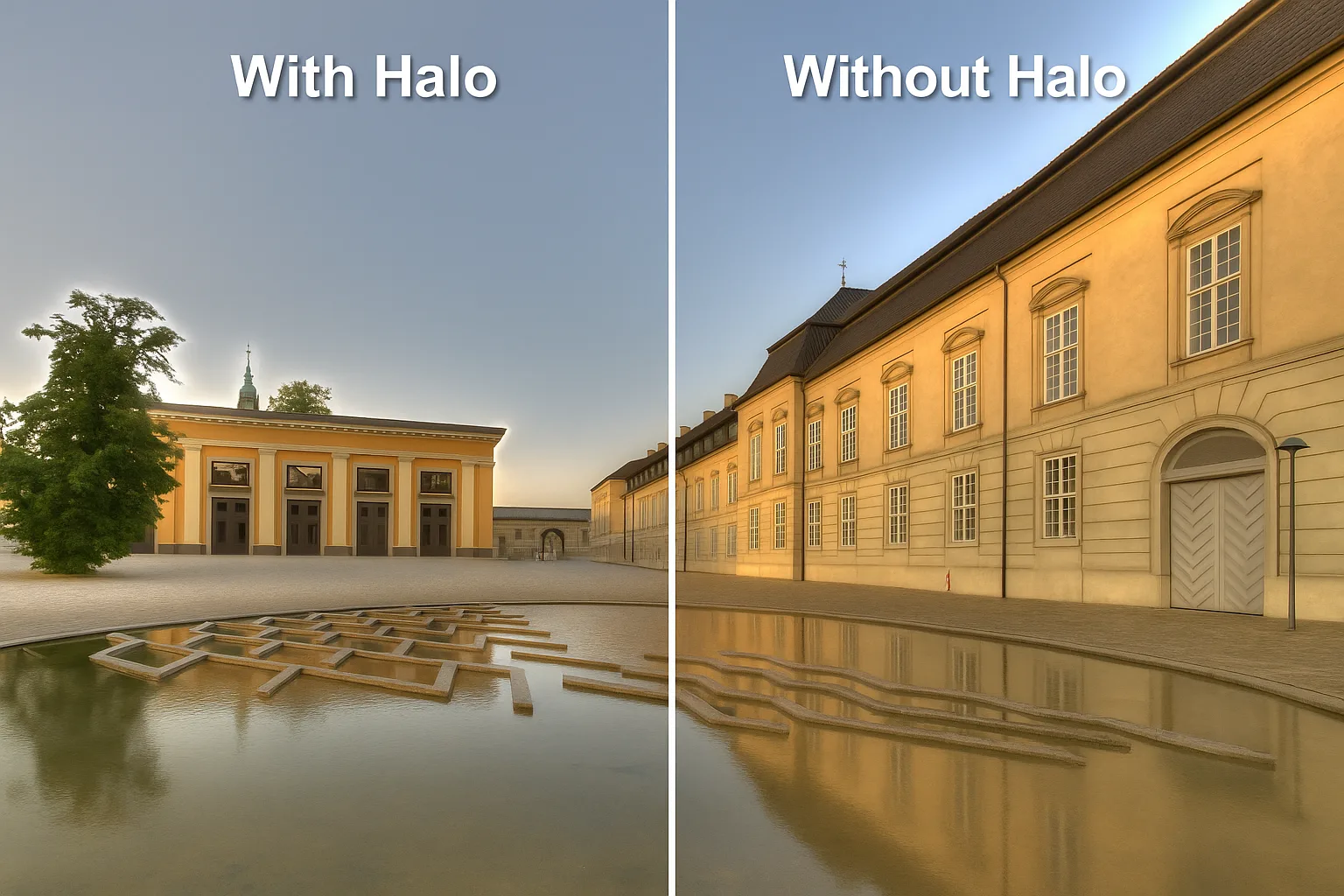
Dynamic range compression, halo control, local contrast, and natural rendering.
CCM, Gamma, sharpen, YUV420, and display matching.
These modules are common capability examples. Each can be validated separately or integrated into a full pipeline, then extended around sensor, lens, target platform, scene, and image quality goals.
Multi-exposure merge, inverse PWL, local contrast, halo control, and natural rendering.
Bayer-domain noise models, spatial-temporal denoise, texture protection, sharpening, and artifact control.
AE, AWB, AF, flicker handling, mixed illuminants, and temporal stability strategies.
CCM, Gamma, Tone Curve, saturation, batch consistency, and style matching.
NUC, defective pixels, DDE, pseudo color mapping, detail enhancement, and preprocessing.
Reference implementation, interface notes, parameter configuration, test samples, and platform integration support.
ISP algorithm cooperation starts by clarifying data, platform, and goals, then moves into prototype validation, algorithm implementation, and integration support.
Confirm product type, sensor, lens, chip platform, RAW/YUV/RGB data, and target scenes.
Analyze exposure, dynamic range, noise, color, sharpening, local contrast, and temporal stability.
Use Python/C++ to validate algorithm direction, parameter range, effect ceiling, and key risks.
Provide algorithm implementation, interface notes, parameter configuration, test samples, and integration support.